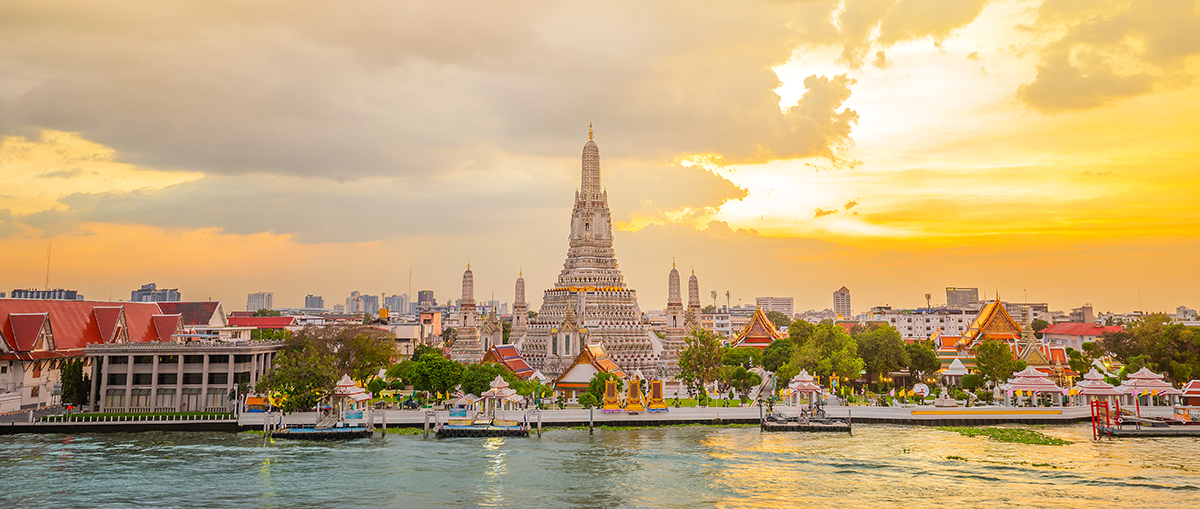
IS IT SAFE TO TRAVEL TO BANGKOK?
We’ve previously asked whether it’s safe to travel to Thailand. Now we’re asking, “Is it safe to travel to Bangkok?”
Two different questions, two (slightly) different answers.
While many of the things said about Thailand can apply to Bangkok, there are considerations about Bangkok that make this question worthy of explaining on its own.
Safe Travel to Bangkok: What You Need to Know
The basics of what you need to know about safe travel to Bangkok can be found in:
-
What the numbers and experts say
-
Crime in Bangkok
-
Personal safety in Bangkok
-
Food and disease concerns
-
Weather and natural disasters
-
Tips for staying safe in Bangkok
What the Numbers and Experts Say About Bangkok Travel Safety
Safety numbers from various sources paint a mixed picture of Bangkok’s safety. Our own Safest Cities research places Bangkok 30th out of 39 cities rated by American travelers who have actually visited these cities.
Breaking down the numbers, Bangkok is rated:
-
39th for safety from violent crime
-
26th for transportation safety
-
11th for safety from disease
-
10th for safety for women, people of color and LGBTQIA+ travelers
-
33rd for safety from terrorism
Geosure Global
Geosure Global rates the safety of destinations on a multipoint scale on a neighborhood-by-neighborhood basis. Its general ratings for Bangkok (on a 100-point scale) are:
-
43 for nighttime safety
-
60 for physical safety
-
63 for theft
-
21 for basic freedoms
-
67 for health and medical
-
38 for LGBTQ+ safety
-
49 for women’s safety
Numbeo
Numbeo crowdsources safety and crime numbers for more than 400 cities worldwide. Its real-time numbers as of April 2026 place Bangkok 146th, between Brisbane, Australia, and Boise, Idaho.
Among the cities ranked lower than Bangkok: San Diego, Boston, Rome, Brooklyn, Vancouver, Dublin, and Berlin.
The Economist
The British periodical The Economist has been rating the world’s safest cities on-and-off for more than a decade.
Its 2025 numbers place Bangkok in a tie with Ho Chi Minh City for 47th out of 60 cities, rating it slightly higher than its ranking for health and digital security but lower than its ranking for infrastructure and personal security.
The State Department
The State Department doesn’t rank or rate cities but gives Thailand a level-2 (“Exercise Increased Caution”) rating.
In terms of Bangkok-specific content, the State Department notes to steer clear of political demonstrations, most of which occur in Bangkok, and not to speak badly of the royal family, who spend a good bit of time in Bangkok.
The agency also mentions a variety of scams, including:
-
Motorbike-rental scams
-
Exorbitant-bar-tab scams
-
City-tour scams
-
Credit-card scams
-
Fake-visa scams
These are most likely to target tourists in Bangkok, so consider yourself warned.
Crime in Bangkok
The scams you know about. You also know that American travelers ranking Bangkok dead last for safety from violent crime isn’t a good look.
There’s no question that travelers to Bangkok are susceptible to:
-
Stolen wallets
-
Phone thefts
-
Purse-snatching
-
Drink-spiking
People who flaunt flashy jewelry or other signs of wealth may also increase their risk of robbery or assault.
Still, the question persists: Does the reality line up with the rankings?
Personal Safety in Bangkok
People who have lived in Bangkok for long periods think not.
Mark Wiens, a writer for the travel blog Migrationology, says, “For the size and busyness of Bangkok, the city is in my opinion quite safe.”
He adds that, “Living in Bangkok and exploring the city for years now, I’ve almost never felt threatened in any way,” and "you should be more concerned about crossing the streets than anything else.”
Travel blogger Gi from The Sensible Fay echoes those sentiments but adds, “safety is a priority if you want to make the most of your experience.”
Personal-safety tips
The two bloggers recommend the following tips to help stay safe in Bangkok:
-
Wind up nightlife early. Before midnight is a solid recommendation.
-
Walk on well-lit streets and avoid sketchy neighborhoods. GeoSure can help you identify neighborhoods with higher personal-safety ratings.
-
Be vigilant for pickpockets. Don’t carry your wallet in your back pocket and carry a purse with a zipper. Keep it snug on your shoulder and wrapped in your arm.
-
If someone approaches you and offers to take you on a tuk-tuk ride for a bargain price, be leery. Often these rides take you on a tour of gem dealers or tailor’s shops.
-
Look both ways twice before crossing a street.
-
Don’t rent a motorcycle. No matter how good a rider you are or how prepared you think you are for Bangkok traffic, you’re not.
Food and Disease Concerns
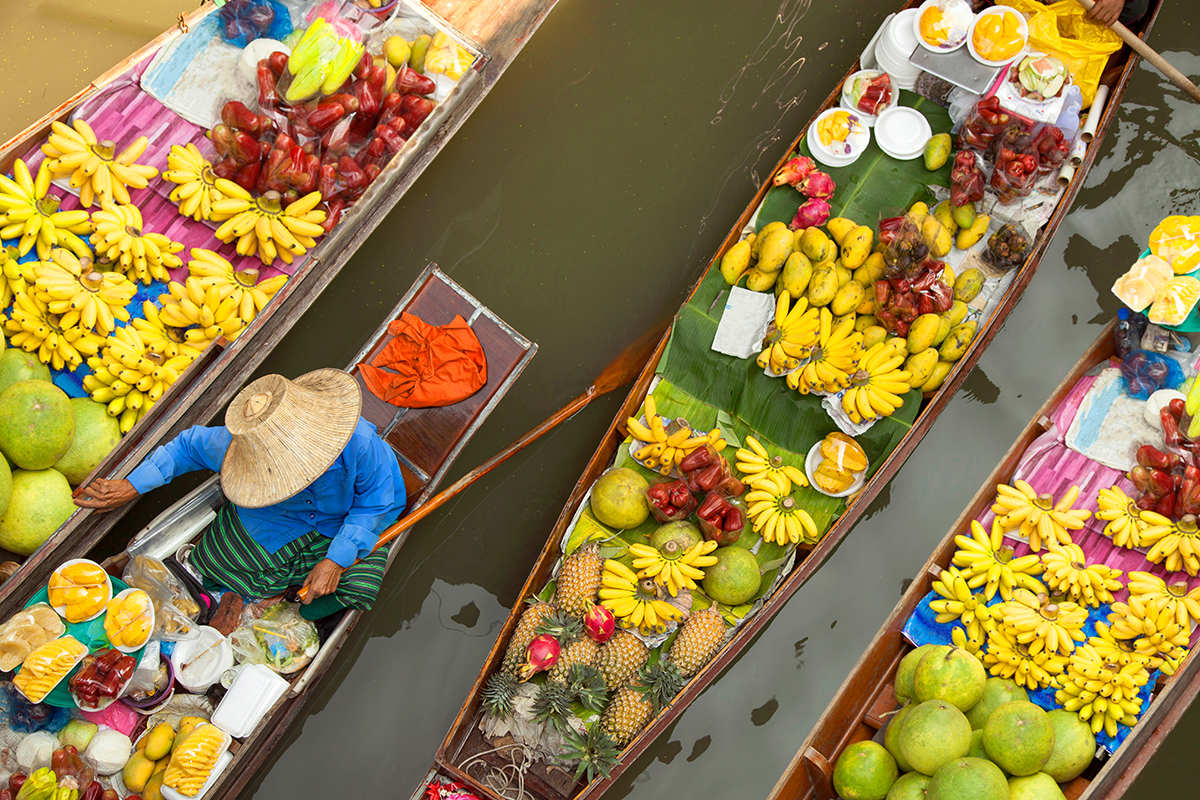
Bangkok has one of the world’s best street-food scenes. With that comes dangers of food-borne illnesses and other maladies.
Food-safety concerns
Bangkok’s Samitivej Hospital has written about a number of dangers to food safety that include:
-
Intake of carbon monoxide and heavy metals from vehicle exhaust
-
Intake of dust containing bacteria and particulate matter
-
Intestinal diseases from undercooked food
-
The use of borax to make foods crunchier
-
Mold risk from dried ingredients
-
Intestinal irritation from artificial souring ingredients
That seems like a lot! However, it doesn’t take much to mitigate these risks.
The most basic recommendation is to eat at busy stands where food is freshly cooked in front of you. If the stand is somewhat removed from vehicle traffic, even better.
Also, while you’re waiting in line, examine the cleanliness of the stand. As the hospital’s blog says, “There should be a level of general cleanliness that can be easily seen and observed.”
In addition to these recommendations, drink only bottled water and eat only unpeeled fruit. If you’re eating the peel, wash it with bottled water or a fruit-and-vegetable wash before eating it.
These simple steps can help ensure positive encounters with Bangkok street food.
Disease concerns
The U.S .Centers for Disease Control and Prevention have not listed any specific disease threats for Bangkok or Thailand.
However, in addition to normal vaccinations and boosters it recommends travelers get vaccinated for:
-
Chikungunya
-
Hepatitis A
-
Hepatitis B
Weather and Natural Disasters Affecting Bangkok
Bangkok is not immune from a host of natural disasters. According to thinkhazard.org, Bangkok is at high risk for:
-
Floods
-
Cyclones
-
Extreme heat
-
Wildfires
Chances are slim they’ll affect your travels, but you need to be aware of the possibilities.
Floods
Thailand as a whole is very susceptible to flooding. According to the Bangkok Tribune, major floods have hit Bangkok in 1938, 1995 and 2011.
Flooding in Bangkok is usually tied to a heavy-rain event such as a typhoon or monsoon.
These events are exacerbated by the fact that Bangkok is sinking – not as dramatically as Jakarta, but sinking nonetheless. The fact that it’s situated in a low-lying delta makes things worse.
The bottom line: Expect more floods to affect Bangkok more severely.
Tropical storms
Thailand gets about four major tropical storms a year from June through November. The area around Bangkok and regions south are the most susceptible to these storms, which cause wind and tree damage, power outages, and major flooding.
The most recent major storm, in November 2025, killed more than 1,100 people across Malaysia, Indonesia, Thailand, and Sri Lanka.
The best advice for dealing with tropical storms in Bangkok is the simplest: Don’t visit Bangkok from June to early December. If you do, keep an eye on long-range global weather trends.
Extreme heat
According to G Adventures, the best months to visit Bangkok are January through April. Once you get past April the thermometer skyrockets. Expect daily temps in Bangkok to exceed 95 degrees Fahrenheit, with extreme humidity and little shade to mitigate the temps.
Hydrate as much as you can with bottled water and avoid midday heat. Do your walking just after sunrise or right before dark.
Wildfires
Climate change has led to a spike in wildfires across Thailand, and even near Bangkok.
Unfortunately, wildfires are most prevalent during the drier months of March and April. While metropolitan Bangkok may be spared the worst from these fires, be alert for changing weather conditions, especially if you’re taking day trips out of Bangkok.
Other Safety Tips for Bangkok
Keep these tips in mind as you visit Bangkok:
-
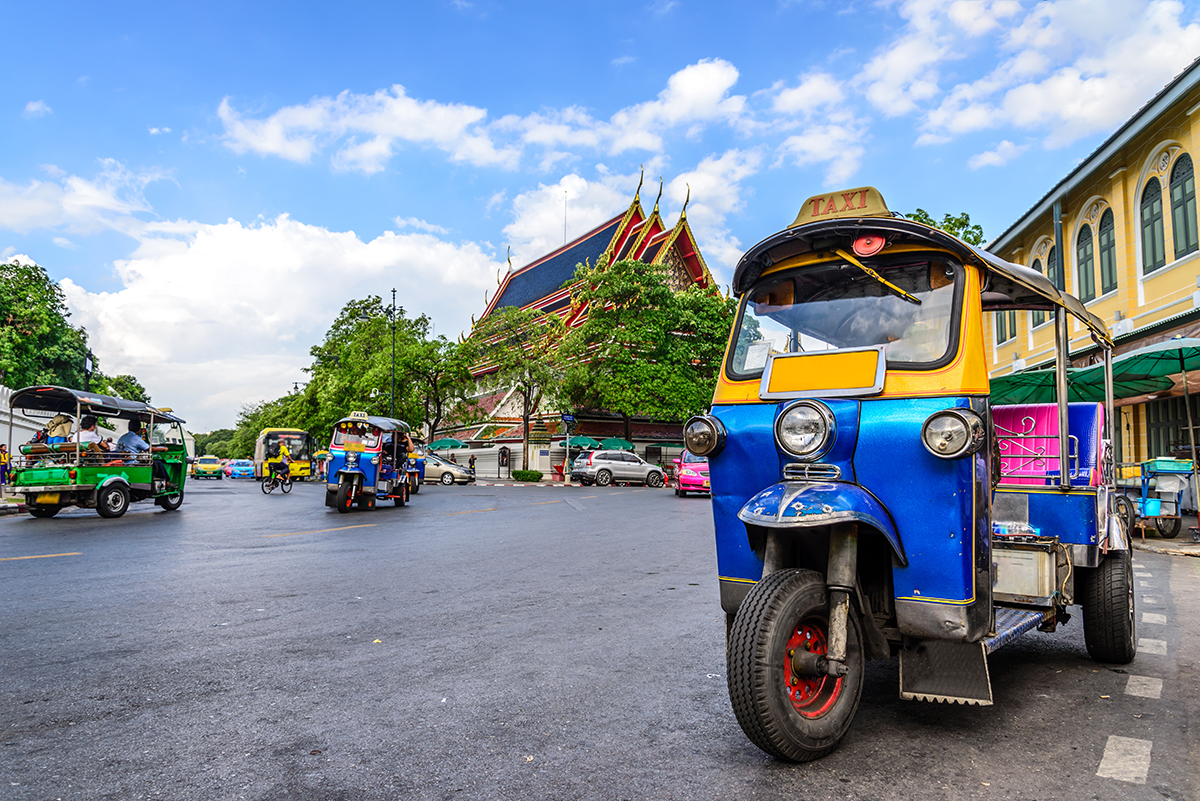
Virtually all tuk-tuks (the scooter-rickshaw mashups that are endemic to Bangkok) are unauthorized. Agree on a price before you take a ride.
-
The penalties for drug possession are severe. Don’t go down that road.
-
Bangkok is not very accessible for travelers with disabilities, though areas of newer construction are more accessible.
-
Air quality in Bangkok can be awful, especially when humidity is at its highest. NASA’s air-quality forecast can provide a three-day projection of air quality for Bangkok.
-
Use pedestrian bridges to cross busy streets.
-
Use the subway and Skytrain to get around. Avoid public buses.
Travel Insurance for Bangkok Travel
A vacation to Bangkok is not a small trip. There can be many thousands of dollars of prepaid travel expenses, from airfares to excursions.
A trip like this demands to be covered by Berkshire Hathaway Travel Protection.
Our industry-leading array of plans can cover everything from adventure travel to luxury trips.
We also boast the industry’s fastest average claim-processing time as well as fast quotes and an easy purchase process, whether you buy directly from us or from your favorite travel professional.
See for yourself. Get a quote today.
Bangkok Travel Safety: The Bottom Line
It seems like there’s a lot to consider when traveling to Bangkok, but it’s almost all common sense.
If you plan your trip carefully, keep your wits about you, and purchase travel insurance from BHTP, you should have nothing to worry about.
Enjoy your trip to Bangkok!
Questions About Travel Insurance?
Check out our online guide, "What Is Travel Insurance All About?" We've provided in-depth answers to all your travel insurance questions, starting with the basics.
Become A Safer Traveler
Sign up for our newsletter
This site is protected by reCAPTCHA and the Google Privacy Policy and Terms of Service apply.