
IS IT SAFE TO TRAVEL TO SPAIN IN 2026?
Is it safe to travel to Spain? Spain’s location, benign climate, and welcoming nature make it one of the safest international destinations. Still, there are cautions you should heed to ensure your Spanish vacation is safe.
Safety Ratings for Spain
The numbers say that Spain is extremely safe. For instance:
-
Berkshire Hathaway Travel Protection’s Safest Countries ratings placed Spain 21st out of 44 countries (with an eight-year average ranking of 12th), and its Safest Cities ratings placed Barcelona seventh out of 39 cities.
-
GeoSure Global, which rates cities on seven dimensions of safety on a neighborhood-by-neighborhood basis, gives Madrid and Barcelona composite scores of 80 out of 100 and Seville a composite score of 83 – very high marks.
-
Numbeo’s crowdsourced ratings place Zaragosa (41), Madrid (71), San Sebastian (76), and Malaga (88) in the top 100 out of 400 cities ranked for overall safety.
-
The Global Peace Index places Spain 25th out of 158 countries scored on a variety of measures of peaceability and militarization, giving in high marks across the board.
-
The State Department gives Spain a level-2 (“Exercise Increased Caution”) rating, similar to most European countries, mainly because of terrorism – though the actual terror threat in Spain is extremely small.
These measures are important because they measure safety on many levels. However, what’s it really like for travelers on the ground?
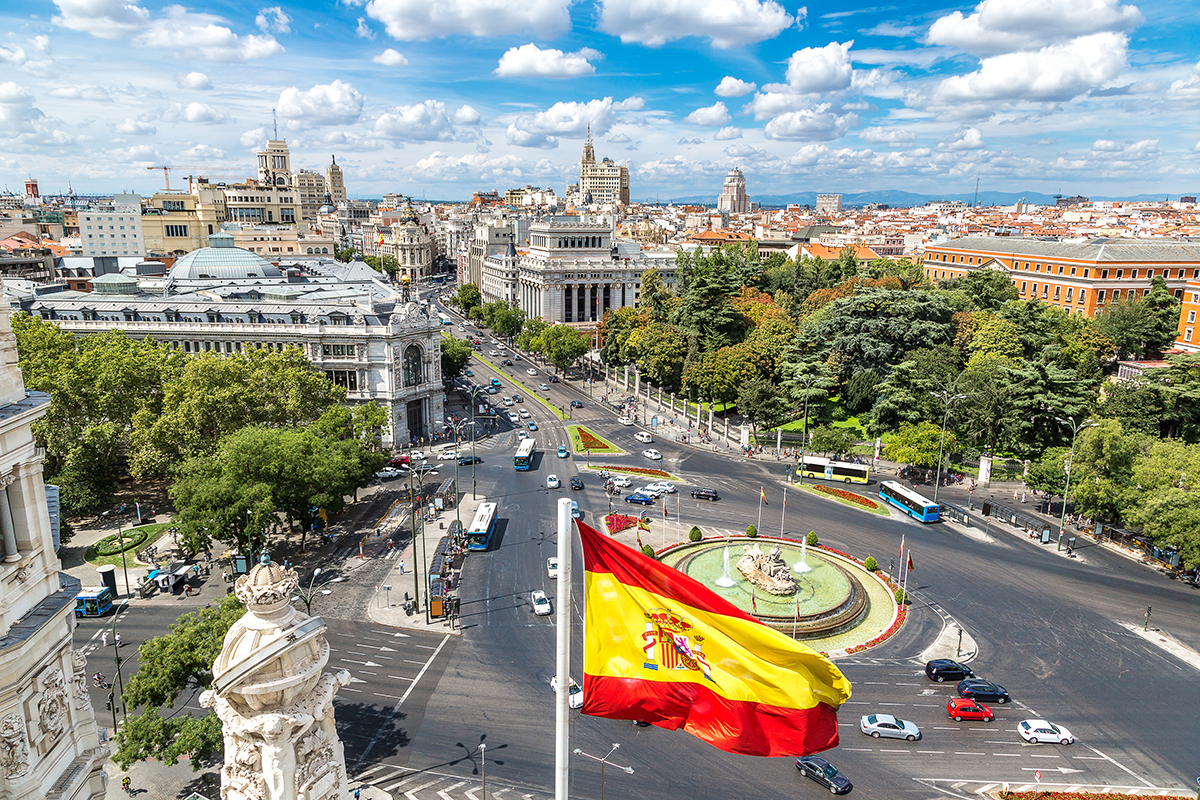
What to Watch Out for in Spanish Cities
Travelers on the ground in Spain’s most popular cities, Madrid and Barcelona, find the cities safe but pickpocketing to be a problem.
As Allison Sicking, a travel blogger who lives in Barcelona, put it, “Barcelona is generally a very safe city to visit, but unfortunately pickpocketing and petty crime is a big issue.”
While some people have called Barcelona the world’s pickpocketing capital, Sicking doesn’t think it’s quite that bad – and GeoSure concurs, based on the city’s theft rating.
However, she does have specific safety recommendations for visitors to Barcelona, which actually look a lot like our safety recommendations for travelers to cities around the globe.
Sicking’s recommendations include:
-
Keeping an eye on your belongings at all times
-
Using a crossbody purse or belt bag
-
Being aware of your surroundings, especially in crowded areas like Las Ramblas, the Gothic Quarter, or on public transportation
-
Buying a lanyard for your phone
-
Enrolling in the State Department’s STEP program
-
Sticking to well-lit, populated areas at night
-
Using Ubers and clearly identified taxis (with the meter on) at night
While Sicking’s recommendations are for Barcelona, they apply equally to Madrid, Seville, Ibiza, and other Spanish metro areas.
Besides that, violent assaults and other physical crimes are extremely rare, though the State Department notes that, “The U.S. Mission in Spain has received many reports of sexual assaults of U.S. citizens. Victims include younger travelers, students, and exchange teachers.”
What to Watch Out for in the Countryside
Not much, honestly.
Driving through most of Spain is a relative piece of cake. Drivers drive on the appropriate (American) side of the road, and while they can be aggressive, they’re no more aggressive than drivers elsewhere in Europe.
The only really challenging area for drivers is the Pyrenees in eastern Spain. Roads can be narrow, winding, and extremely treacherous, especially in late fall, winter, and early spring.
Spain's rural roads can also be afflicted with sheep. When this happens, smile, relax, and enjoy the view.
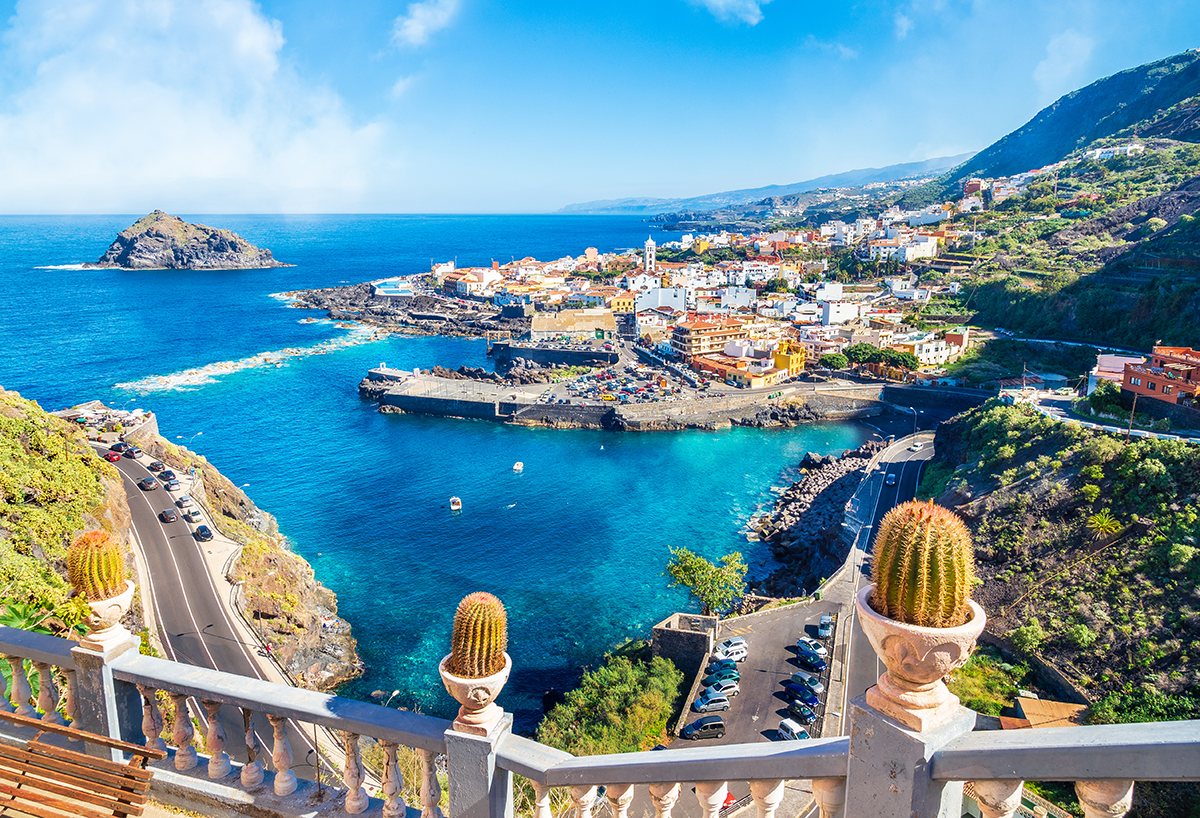
How to Stay Safe When Traveling in Spain
In addition to watching for sheep when driving in rural areas, watch for motorbikes and small dippy, darty cars when driving in the cities. The general advice on driving in major European cities (“don’t do it”) applies to Spain’s cities as well.
Pickpockets work the metros, trams, and buses in Spain, so be extra-vigilant when traveling on these conveyances. That means:
-
Keeping your backpack in front of you, with a foot on the strap when you’re seated
-
Keeping your wallet/purse and electronics secure
-
Choosing the least crowded part of the metro
-
Avoiding striking up conversations with overly friendly locals
The same cautions apply when taking intercity trains, with the additional caveat of taking your backpack with you when you get up and move around. Never leave bags unattended on the train.
It’s also a good idea to follow general safety tips we’ve discussed in other posts, including:
-
Keeping multiple copies of your passport in various places on your person and in your luggage, and keeping a copy with a friend or relative back home
-
Locking valuables in the hotel safe, or packing a travel safe
-
Staying on an upper floor of a hotel, pension or hostel
-
Carrying copies of prescription medications
Health concerns in Spain
There are few health concerns for travelers visiting Spain. The rate of food-borne and contagious diseases is low, and medical care is excellent and readily available.
What should travelers watch out for?
-
Cobblestone streets and irregular sidewalks
-
Traffic – especially motorbikes and scooters
-
The Mediterranean sun
Using sunscreen, watching where you’re walking, and looking both ways before crossing streets can go a long ways toward staying safe in Spain.
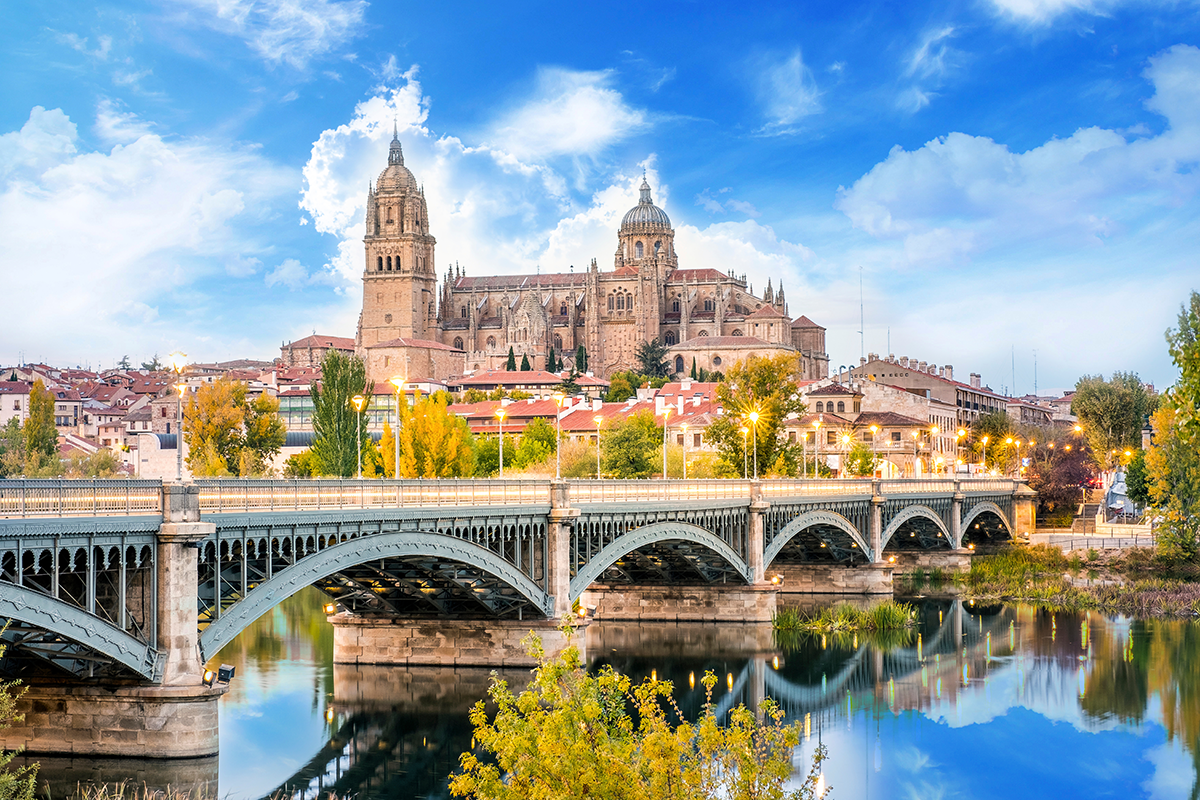
Trouble Spots in Spain
This all sounds wonderful, but what are the dark clouds in Spain – the places and things people need to steer clear of?
There are two:
-
Demonstrations
-
The separatist movement(s)
Demonstrations
For a very peaceable country Spain has a lot of demonstrations. Some are related to the separatist movements, but not all of them are. Some are related to labor disturbances, elections, overtourism in Barcelona, major holidays (!) – you name it.
According to the State Department, “Demonstrations can be unpredictable. Past demonstrations have turned violent. Avoid areas around protests and demonstrations. Check local media for updates and traffic advisories.”
That’s good advice.
The separatist movement(s)
You might not know it from your stateside perspective, but Spain is embroiled in separatist movements involving the region around Barcelona and regions to the north and east.
CATALONIA
The area around Barcelona is known as Catalonia, and Catalonia has a declaration of independence (unrecognized by Spain), its own parliament (dissolved by Spain), its own flag, a government in exile, the works.
While support for Catalonian independence is down to roughly half of the region’s electorate, demonstrations related to independence, the government in exile, and related issues are fairly frequent in Barcelona.
Best advice: It’s not your fight. Steer clear.
THE BASQUE REGIONS
There’s also a separatist movement involving the Basque people of the Pyrenees, north of Catalonia. They’re looking to disengage from Spain and form a new country, possibly joining the Basques in Andorra.
Historically the Basques have been more violent than the Catalonians, though neither group is currently pursuing a violent dissolution.
However, violence may crop up in Basque regions, and if it happens to crop up around you the advice is the same: Avoid it.
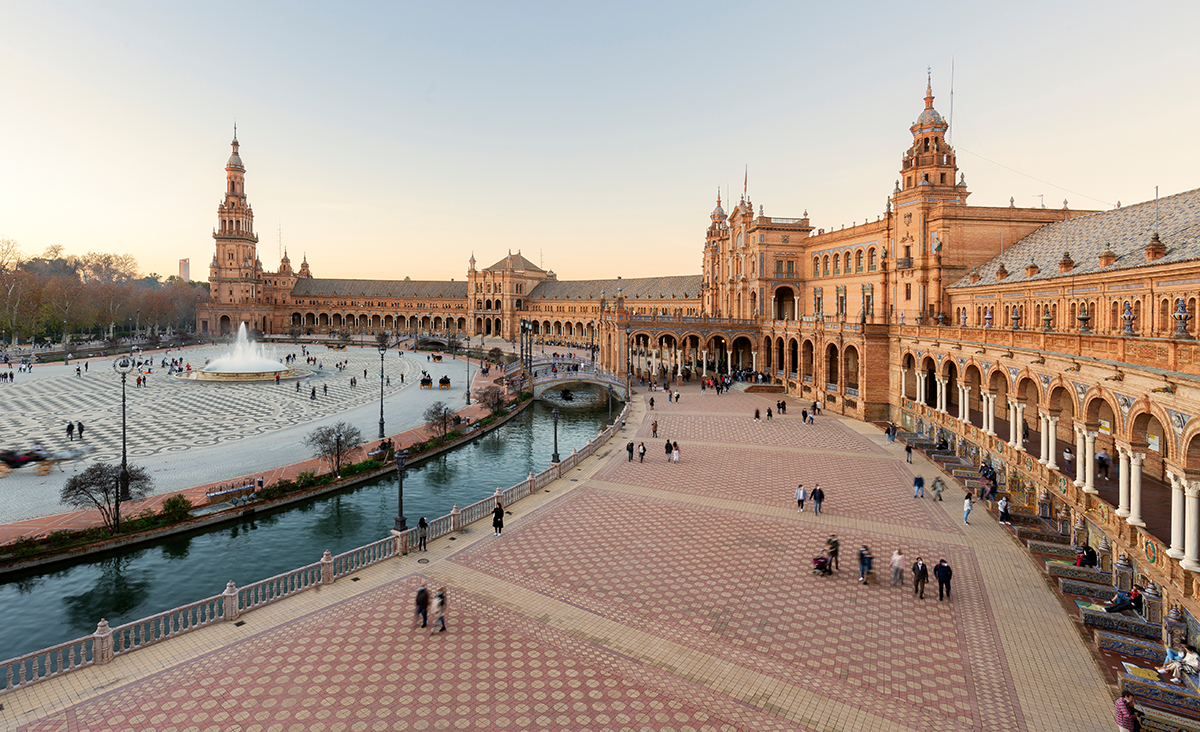
Travel Insurance for Spain
Spain is a safe country, but travel mishaps can crop up anywhere. Whether you turn an ankle hiking in the Pyrenees or lose your luggage in Majorca, Berkshire Hathaway Travel Protection can help.
Our industry-leading array of plans can cover virtually every type of Spanish vacation.
Quick quotes and fast claim service helps, too.
Traveling to Spain? Get a quote and see what we mean.
Safe Travel in Spain: The Bottom Line
Spain is a safe country. The numbers say so, experienced travelers say so, and official sources like the State Department concur.
It doesn’t take much to have a safe Spanish vacation, but the details are important. Being smart and vigilant are your two best defenses against travel mishaps when traveling in Spain.
In addition, travel insurance can help reimburse you for medical emergencies, lost or damaged luggage, and prepaid expenses if you have to cancel your trip for a covered reason.
With that knowledge in hand, go ahead and enjoy your Spanish vacation!
Questions About Travel Insurance?
Check out our online guide, "What Is Travel Insurance All About?" We've provided in-depth answers to all your travel insurance questions, starting with the basics.
Become A Safer Traveler
Sign up for our newsletter
This site is protected by reCAPTCHA and the Google Privacy Policy and Terms of Service apply.