How To Plan A Trip To Denmark
If you’re wondering how to plan a trip to Denmark, it might be in the context of, “How am I going to plan a week-long trip to a country that’s the size of my thumb?”
Relax. Denmark is much more diverse than any thumb-size states you might be familiar with – and it’s actually a much larger and more ambitious destination when you factor in everything that’s technically part of Denmark.
How to Plan a Trip to Denmark: What You Need to Know
If you have a handle on the following you’ll have no trouble planning a Denmark vacation:
-
Denmark's geography
- Best times of year to visit
-
What to see and do in Copenhagen
-
Exploring the countryside
-
Visiting the islands (and Greenland)
-
Packing for your trip
-
Buying travel insurance
Denmark’s Geography
You might lump in Denmark with the Scandinavian countries, particularly Sweden and Norway.
Not wrong, but not right, either.
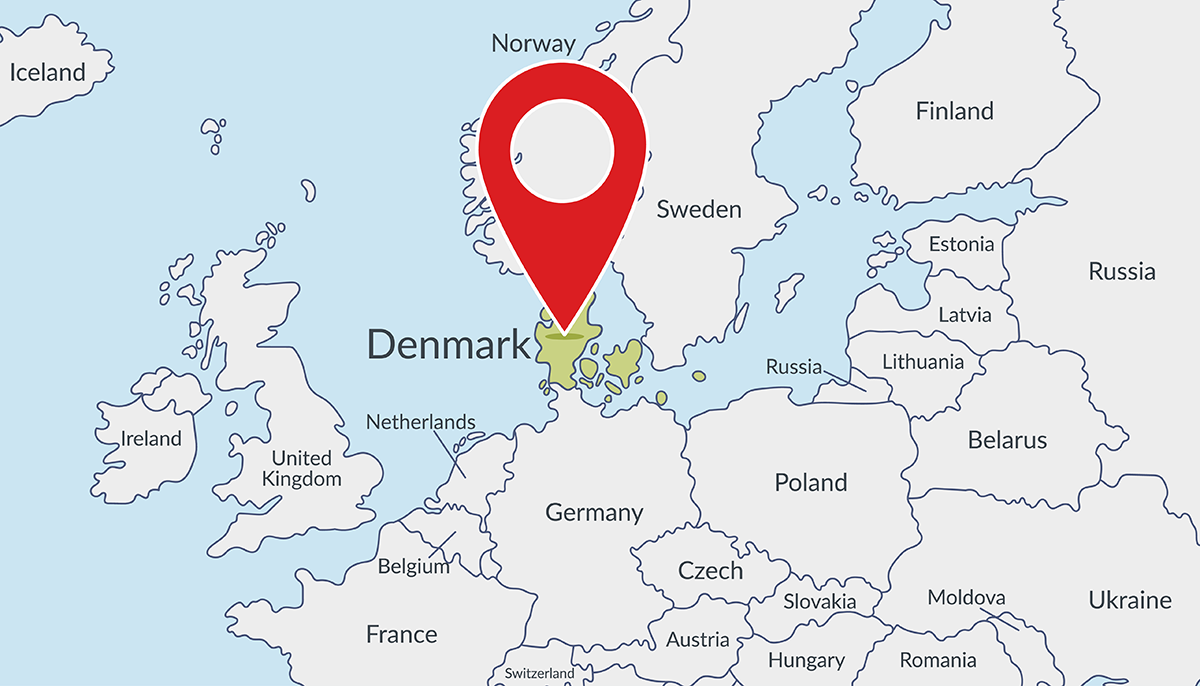
Denmark is actually comprised of four pieces:
-
The part attached to Germany
-
The part that’s not attached to Germany
-
The outlying islands
-
Greenland
The largest part of Denmark is a thumb-like peninsula that extends north of Hamburg.
However, more than a third of Denmark is islands that sit between Germany to the south and Sweden to the north and east. Many of these islands are connected to mainland Denmark by bridges, making it possible to drive from Hamburg, Germany, to Malmö, Sweden.
This complicates your vacation already, because lots of islands means lots of ferries to ride and lots of interesting coasts to explore.
Outlying islands
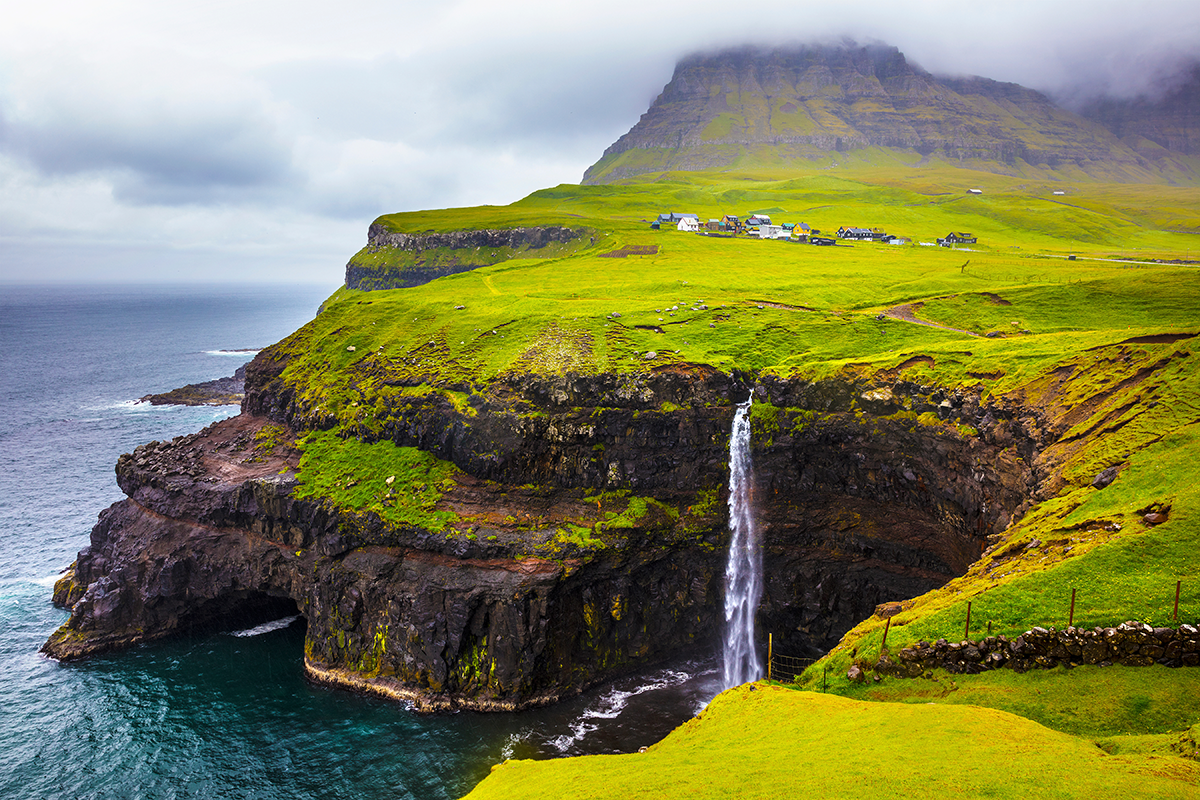
But that’s not all in the island department. The Kingdom of Denmark also encompasses the Faroe Islands, a group of rocky volcanic protrusions far out in the North Atlantic, much closer to Scotland than Denmark.
These islands are rocky, remote, and foreboding, but they’re also one of the world’s great birdwatching destinations. They’re also perfect for folks who really want to get away from it all.
Greenland
A trip to Denmark could also technically include a trip to Greenland.
Greenland is an autonomous territory that’s part of Denmark, much the same way Puerto Rico is part of the United States. Citizens of Greenland are Danish citizens. Adding Greenland to your itinerary not only expands possibilities but expands complexities, since Greenland is much closer to Canada and Iceland than Denmark.
However, that opens the door to itineraries like New York-Copenhagen there, Copenhagen-Greenland-Reykjavik-New York back. Because Greenland is comparatively hard to get to, adding it to your Denmark trip requires more than a little extra planning.
Best Times of Year to Visit Denmark
The best times of the year to visit Denmark depend on which part of Denmark you’re talking about.
If you’re talking about the country of Denmark, just about any time is a fine time to visit.
-
Winters are less severe than in most parts of the U.S. north of Chicago.
-
Springs are pleasant, a little damp, but a good time to see flowers.
-
Summers are temperate.
-
Fall is a repeat of spring, but with fewer flowers.
If your plans for a Denmark vacation include walking around towns and cities, visiting museums, and exploring the country by car or rail, any time of year is going to work.
If your plans extend to biking the countryside or hiking along seashores, you might want to rule out January and February.
However, if your plans include a trip to the Faroe Islands or Greenland, summer is pretty much your only time to travel. Days are long and temps are as warm as they’re going to get.
Even with all that daylight, any weather on the Faroe Islands is sweater weather, and a down jacket is always part of the packing whenever you visit Greenland.
What to See and Do in Copenhagen
Unless you’re a hardcore birdwatcher or go to Greenland via Reykjavik, part of your Denmark vacation will include Copenhagen. You’ll likely fly into Copenhagen, whether directly from the U.S. or on a connecting flight from another European city.
You’ll find that Copenhagen is an amazing city.
After a while, you might think that all northern European capital cities are the same: An old town, a square, a cathedral, some museums, and maybe a palace, with narrow cobblestone streets to wander down and trams and bikes to watch for.
Yes, there’s a lot of that in Copenhagen, but thanks to the country’s atmosphere of “hygge” – basically, chillaxing whenever possible – it all feels so much better there.
What’s a good plan for seeing the best of Copenhagen?
1. Make a list
Do some research, ask AI, ask a travel professional, ask friends who’ve been there, and make a list of the places in Copenhagen you really want to see.
Popular attractions include:
-
Tivoli Gardens
-
The Little Mermaid statue
-
The inner harbor
-
Boat tours of the city
-
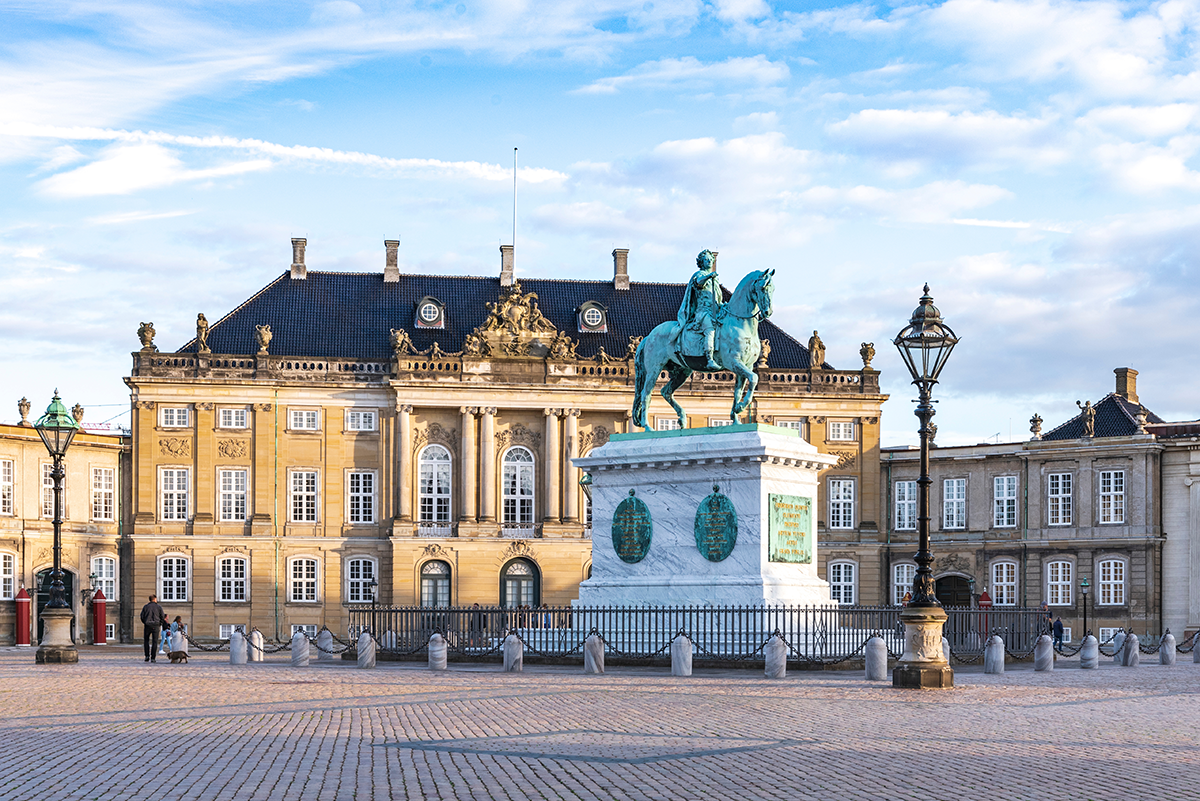
Amalienborg Palace
-
Christiansborg Palace
-
The Design Museum
2. Create an itinerary
Decide the things you want to do each day you’re in Copenhagen, go to your favorite map app or site, and plot them out.
You’ll probably want to include food, since that’s a big part of the Copenhagen experience – not only at the top of the pyramid (the infamous Noma was born here) but also in small shops that sell pastries or smørrebrød and quaint restaurants specializing in local seafood.
The smart way to approach this is to ...
3. Walk first, then bike
Let’s assume you’re staying somewhere in the city. Map out a walking tour that’ll be the first thing you do in Copenhagen.
Why walk first? Because it’ll help you get your bearings. You’ll understand where the tram stops are, where the harbor is, where the sights you want to see are in relation to where you are, and what it looks like to get from here to there.
Once you’ve done that, rent a bike and expand your radius. Biking in Copenhagen isn’t too different from biking in Amsterdam or other large northern European cities. Cars treat bikes with more respect than in the States, though bikers don’t always respect other bikers.
Keep your eyes and ears open, in other words.
4. Allow yourself exploring time
Copenhagen, like most of Denmark, is meant to be savored, not gulped.
Walk around. Have a pastry and a coffee. Explore neighborhoods. If you don’t get to everything on your itinerary because you were having too good a time somewhere else, don’t fret. You had a great experience.
Also, there’s no law that says you can only visit Copenhagen once. If you do it right the first time, you’ll be back.
Two notes on Copenhagen’s neighborhoods:
-
The Istedgade neighborhood near the central station is scruffy. It’s safe to walk through, but it doesn’t represent most of Copenhagen.
-
The State Department warns visitors to Denmark about the Freetown Christiana neighborhood, but it’s more rough around the edges than dangerous. However, don’t take pictures there.
Copenhagen-based blogger Danny In The North has a comprehensive guide to what to see (and avoid) in Copenhagen.
Exploring the Countryside
Danny In The North’s post has recommendations for day trips out of Copenhagen, and it’s a viable strategy to just stay in Copenhagen and take a train or car to Kalvebod Fælled or Frederiksborg Castle.
However, if you do that, you’ll likely miss out on a big part of Denmark – the part that’s attached to Germany.
Western Denmark includes compelling destinations like:
-
The beaches of Skagen
-
Billund, the home of LEGO
-
Odense, the birthplace of Hans Christian Andersen and Denmark’s third-largest city (though it feels like a very small town)
-
The architectural wonders of Aarhus
-
Thy National Park
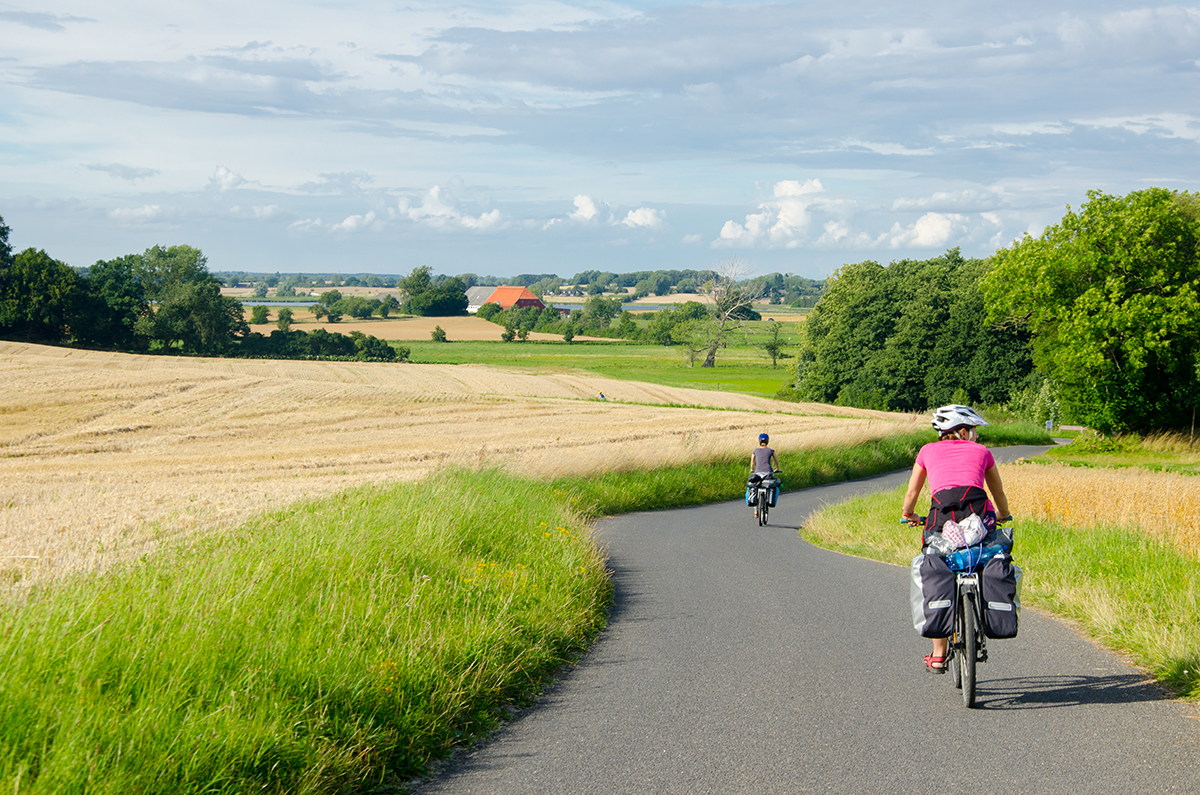
The good news for explorers is that Danish State Railways trains crisscross the area, and most of western Denmark is flat, making a bike tour a definite possibility.
Visit Denmark outlines a number of great bike trips, including a spectacular 34-kilometer route through the glacial landscapes of Mols Bjerge National Park, near Aarhus.
Danes love the outdoors, love biking and love exploring. Put yourself in their shoes, ask locals for suggestions, and you’re certain to have an amazing time.
Visiting the Islands (and Greenland)
Suppose a simple 34-kilometer bike ride is too simple for you, and you crave even more adventure. Denmark has you covered there as well.
The Faroe Islands
A simple way to think of the Faroe Islands is as a much-less-populated Iceland. You know what you’re in for when a comprehensive guide to the islands includes as one of its points, “Watch out for sheep.”
Many of the things you love about Iceland – the otherworldliness, the remoteness, the treeless (but green) rocky mountains – are present in the Faroes, but with fewer people.
You can fly to the Faroe Islands from Copenhagen but also from Billund, Reykjavik, Paris, and Edinburgh.
All flights go to the islands’ only airport, which is connected to the capital, Tórshavn, by an undersea tunnel; from there you can rent a car, drive out of town, and stop and hike wherever the terrain looks inviting.
Of course, more structured tours are available if you want them.
Greenland
The same approach applies to Greenland, only we’re talking about a much larger area with even more wide-open spaces.
Greenland is getting press for a variety of reasons, including being one of the destinations most vulnerable to climate change. There’s no question that Greenland is warmer than it was, and that higher temps are causing buildings to sink, ice flows to melt, and old ways of life to change.
Your strategy for visiting Greenland should be:
-
Visit in June, July, or August.
-
Fly from Copenhagen or Reykjavik into Ilulissat or Nuuk. (Flights are expensive and fill fast, so book early.) Use either city as a hub.
-
Book activities in advance. Popular activities include whale-watching, the Icefjord boardwalk, and boat and helicopter tours.
-
Allow plenty of transit time in Greenland, especially if you’re visiting a more remote destination like Tasiilaq.
Packing for Your Trip to Denmark
Because of the wide range of climate possibilities you might encounter on a Denmark trip that includes Greenland or the Faroe Islands, you have to pack for all four seasons.
Our cruise-ship packing-lists post can give you a good idea of how to pack (pay special attention to the cold-weather-cruise list), but whatever seasons you’re packing for and whatever your itinerary, essentials will include:
-
Hiking boots and/or walking shoes
-
Wool socks
-
Rainwear
-
Hats
-
Gloves (including cycling gloves)
-
Sweaters for layering
-
Chargers
-
International adapters for electrical devices
A good rule of thumb is: If it helps you stay warm and dry, it probably should go in the suitcase.
Two more packing-adjacent notes: When packing cash, remember that Denmark uses the krone, not the Euro. Also, Denmark is part of the Schengen area so you don’t need a visa to visit or have to pay a fee (yet).
Buying Travel Insurance for Denmark Travel
Denmark isn’t a cheap country, and Greenland and the Faroe Islands are downright expensive. Because of that, and because of the potential for high amounts of prepaid travel expenses, travel insurance is going to be a key part of your Denmark planning process.
The plans offered by Berkshire Hathaway Travel Protection can cover all sorts of Denmark vacations, from a prepaid tour to a DIY adventure to Greenland. Plans are easy to quote and buy, and the claim service is stellar.
See for yourself. Get a quote today.
Planning a Trip to Denmark: The Bottom Line
You may have thought planning a trip to Denmark was a piece of cake, but as you’ve discovered, it can be surprisingly complex. Still, with this guide, some time, and a common-sense approach, planning a trip to Denmark can be a process sweet as a Danish pastry.
Enjoy traveling in Denmark!

Questions About Travel Insurance?
Check out our online guide, "What Is Travel Insurance All About?" We've provided in-depth answers to all your travel insurance questions, starting with the basics.