How to Plan a Trip to Australia
Planning a trip to Australia? Get ready for some head-spinning moments as you suss out a country where summer is winter, right is left, and the places you want to visit are literally across a continent from each other.
Planning A Trip To Australia – What You Need To Know
If you’re planning a trip to Australia, here are the key components of your to-do list:
- Understand Australia’s geography
- Choose a time to visit
- Decide how long you can afford to stay
- Pick your must-see destinations
- Choose your activities
- Budget for your travel
- Decide how you’re getting there and getting around
- Make reservations for in-demand activities
- Assemble a packing list
- Get your docs in order
- Buy travel insurance
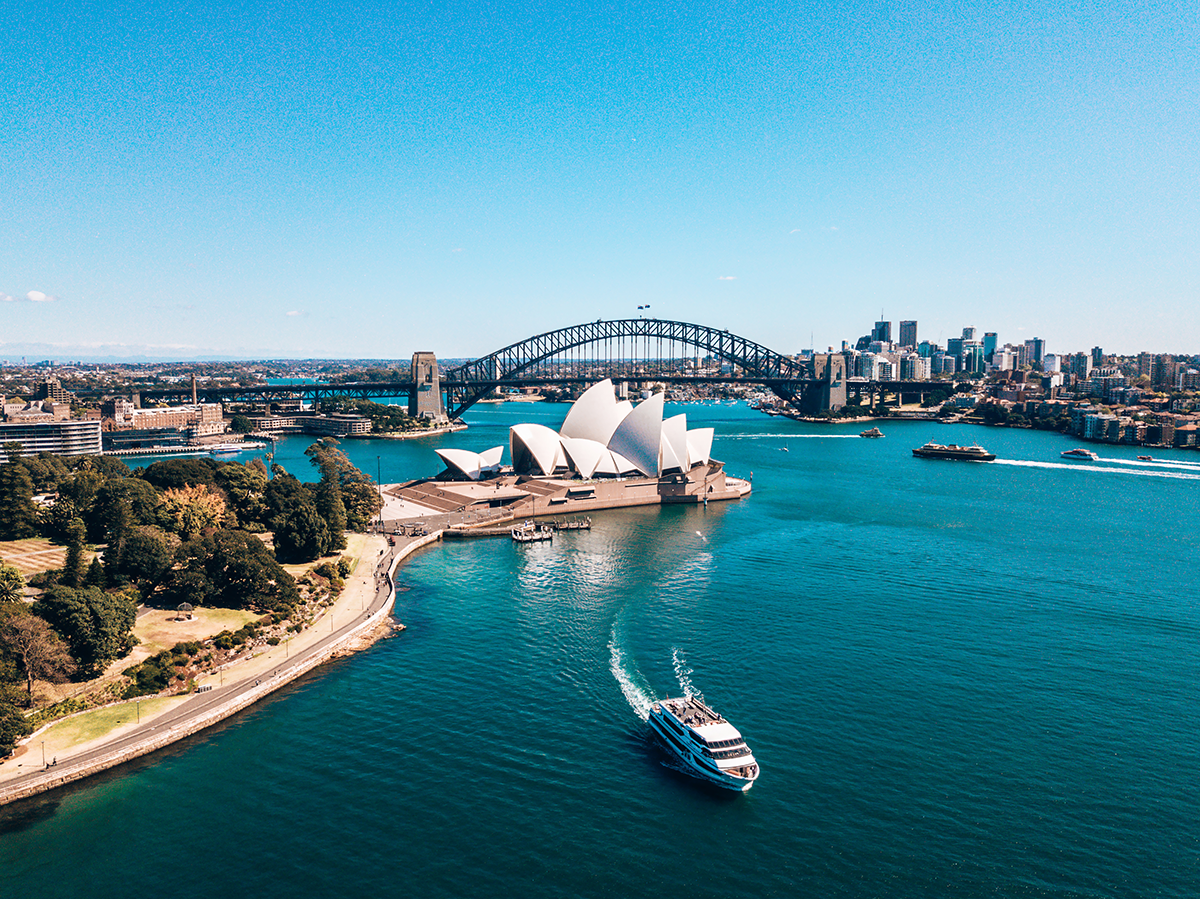
Understanding Australia’s Geography
You learned in school that Australia is a continent. What you didn’t learn is how much that shapes your approach to visiting the country.
A trip to Australia is akin to visiting the entire continental United States. Australia doesn’t have the extreme cold climes of northern Minnesota, but there’s snow in Tasmania. And its tropics are more tropical than southern Florida.
Australia has Indonesia as a northern neighbor and Antarctica as a southern neighbor. Those are some extreme extremes.
Geography’s effect on climate
Summers in Australia’s cities can reach Phoenix levels of heat, only it’s not a dry heat. It can be oppressively humid.
You also learned in school that because Australia is in the Southern Hemisphere their summer is our winter, and vice versa. True. But once again, summer and winter can mean different things in Australia than the U.S.
Winter in northern Australia (the tropical part) is the wet season, and many tourist attractions close because it’s too dang hot. Still, it might be the best time to visit parts of the Great Barrier Reef.
Australia is defined by its geography, but its geography defies easy explanation.
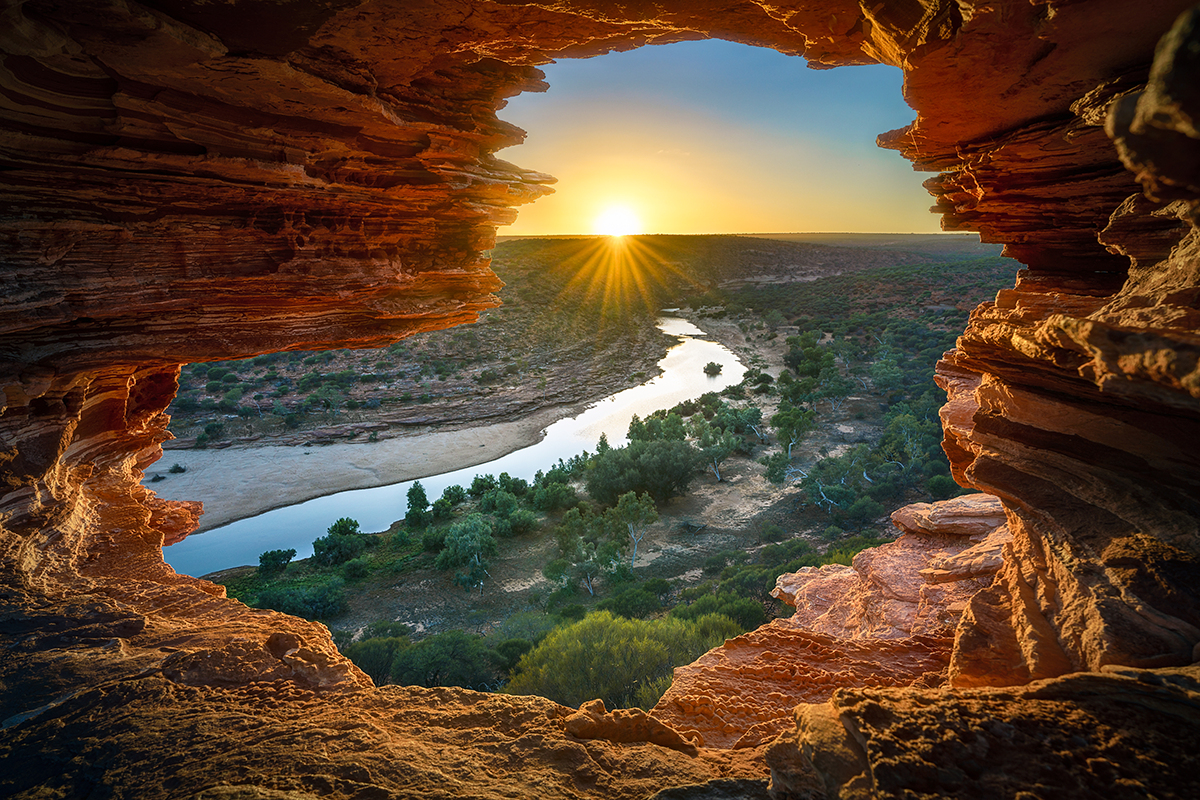
Choosing A Time To Visit Australia
Picking the right time to visit a country is almost always one of your first big decisions. Thanks to Australia’s unique geography, that decision takes on special importance.
Let’s break this apart in terms of things to do and places to go by season, as summarized by Australia.com and Tripwis.
Summer (December-February)
The cities:
- Check out the Australian Open in Melbourne and visit the koalas and penguins on Phillip Island
- Watch the New Year’s Eve fireworks in Sydney, watch the start of the Sydney-to-Hobart yacht race and learn to surf on Bondi Beach
- Head north of Perth and snorkel with sea lions
The coast:
- Visit K’gari, the world’s largest sand island
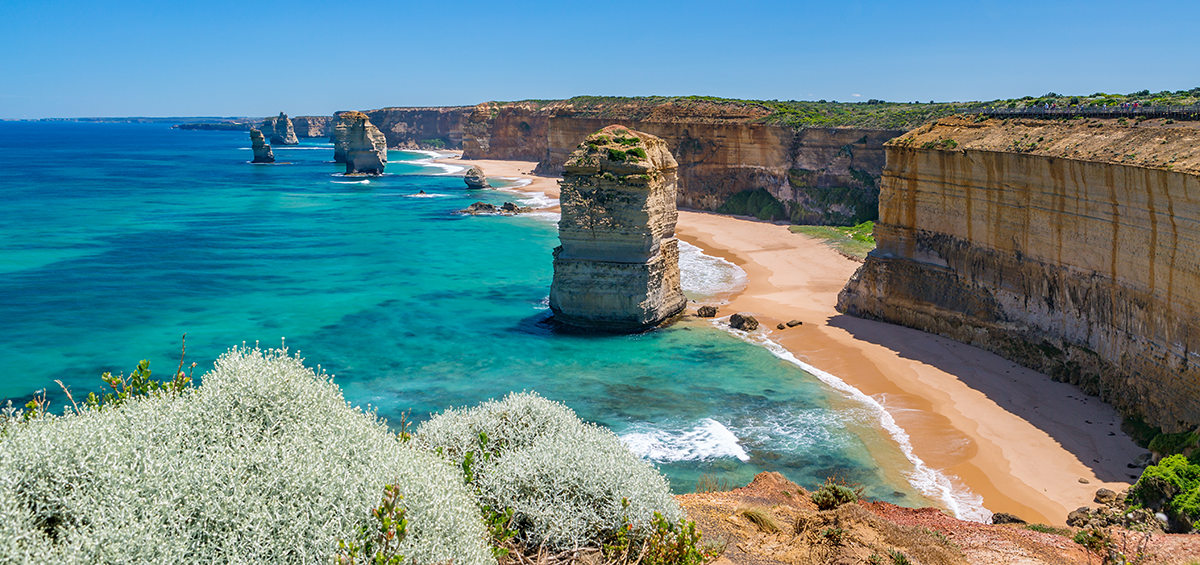
- Drive the Great Ocean Road out of Melbourne
- Swim with sea lions, dolphins and great white sharks in the Eyre Peninsula
- Witness turtle-nesting season from Great Keppel, Lady Elliot or Heron Island
The interior:
-
Not much. Many tourist-friendly places close for the summer.
Fall (March-May)
The cities:
- Enjoy the Melbourne Food and Wine Festival, the Melbourne Fashion Festival and the Melbourne International Comedy Festival
- Watch the changing of the leaves in Canberra – ideally from a hot-air balloon
- Have a ball at the Adelaide Fringe Festival and WOMADelaide
- Experience the Sydney Gay and Lesbian Mardi Gras and the Sydney Royal Easter Show
The coast:
- Experience the start of whale-shark season along the Coral Coast
- Take a Bremer Bay boat tour and see orcas
- Jam out at the Blues on Broadbeach music festival on the Gold Coast
- Visit the Australia Zoo, home of Crocodile Hunter Steve Irwin and his family
The interior:
-
Take the Ghan luxury train from Darwin to Adelaide
Winter (June-August)
The cities:
- Enjoy Perth City Winter Fest
- Watch an Australian Football League (AFL) game at the Melbourne Cricket Ground
- Take a ski trip out of Canberra
- Go on a whale-watching tour in Sydney, or walk the Bondi to Coogee Coastal Trail
The coast:
- Check out a theme or wildlife park on the Gold Coast
- Watch humpback whales from the Spirit of Hervey Bay
- Walk snowy trails or watch the southern lights from Cradle Mountain-Lake St Clair National Park
- Swim with giant cuttlefish near Adelaide
- Snorkel the Great Barrier Reef
The interior:
- Explore the monoliths of Uluru and Kata Tjuta in the country’s Red Centre
- Go on a stargazing tour at Ayers Rock Resort
- Visit Alice Springs for the annual Camel Cup
Spring (September-November)
The cities:
- Check out Canberra’s Floriade, the Southern Hemisphere’s largest flower festival, and then see the city from a hot-air balloon
- Explore Sydney while temps are temperate
- Have a wine-tasting at a winery in the Yarra Valley, not far from Melbourne
The coast:
- Explore the islands bordering the Great Barrier Reef
- Drive along the Sunshine Coast
The interior:
- Visit Darwin, Kakadu and Katherine
- Explore Aboriginal rock art at Ubirr
Deciding How Long You Can Afford To Stay In Australia
We just named a lot of things you can do. These are spread across a continent and a calendar. You need to choose and schedule.
Since airfare is such a huge part of your total travel cost, most travelers well-versed in Australia travel recommend allowing yourself three weeks at a minimum to explore the country.
As Tripwis points out, Australia really isn’t that expensive once you’re there. In fact, it can be quite affordable if you:
- Rent a couple of rooms or a small house away from the city center
- Take public transportation everywhere
- Limit the number of meals you eat out
Even so, an Australian vacation demands that you set a budget and plan out expenses to maximize your time in-country. Sure, you can and should come back, but saving up for airfare might take time.
Also, Australian cuisine is fine, but few people go there for the cooking. Budget for a couple of meals to sample the fare, but shop at supermarkets and cook at home as much as you can. That and staying outside of the city center are the keys to staying within your budget in Australia.
These tips can help you save even more on your Australian vacation:
- Only rent a car when you absolutely need one
- Buy day or multi-day public transport passes
- Take advantage of free museums and activities
- Hit the beach(es)! They’re free
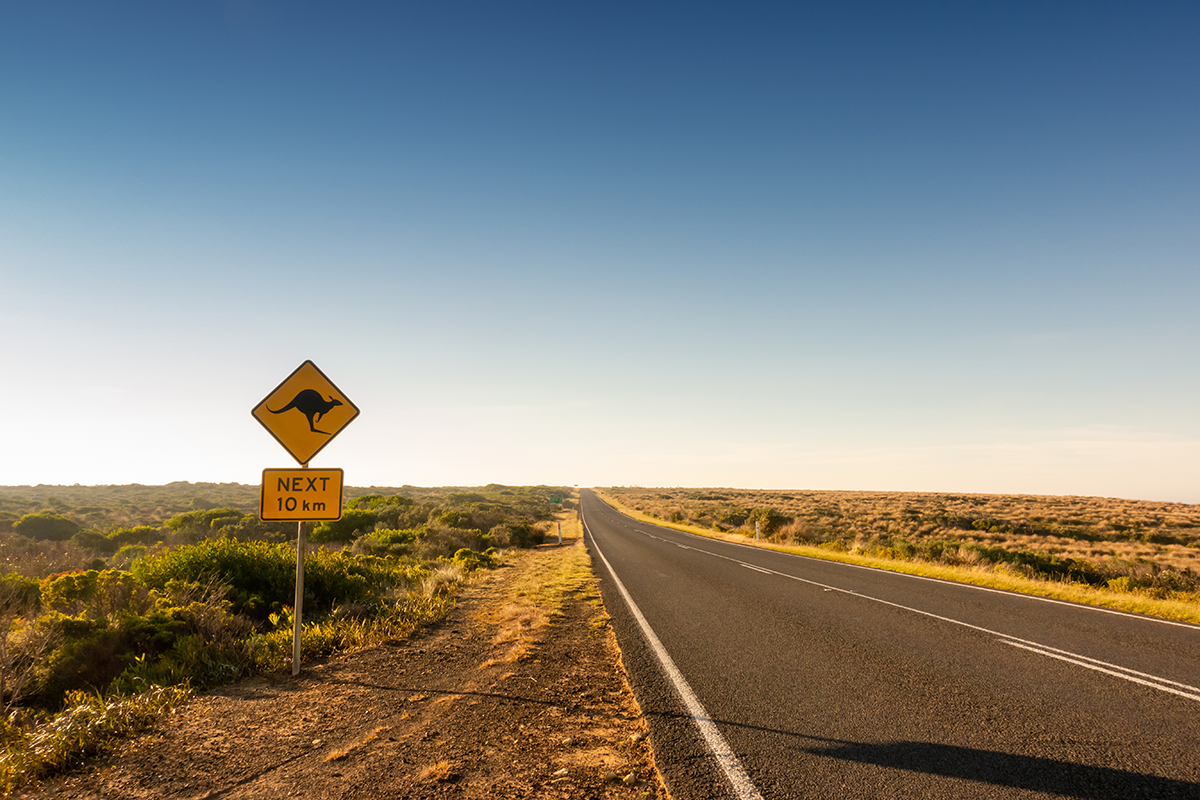
Decide How You’re Getting There And Getting Around
How are you getting there? You’re almost certainly going to fly.
The good news is that major airlines often run non-peak-season sales on flights to Australia. The bad news is that the comfy seats don’t usually go on sale, meaning your flight to Australia will be long and uncomfortable.
If you absolutely, positively do not want to fly to Australia, you can take a cruise there. However, you’ll likely have to fly a long way to board your ship, so you’re no further ahead.
Do watch for airfare sales, though. As long as you’re going to be uncomfortable, might as well spend as little as possible.
In-country transport
As continents with a huge arid landscape in their middles go, Australia is pretty easy to get around. There are highways, and domestic flights connect all the major cities as well as some smaller cities.
However, you should ask yourself whether you want to visit Australia’s west coast and interior.
The West Coast
Perth is the largest west-coast city and is a fine place to visit, though it’s not as cosmopolitan or lively as Melbourne or Sydney.
In terms of sightseeing, the main west-coast road doesn’t always track close to the water, and the landscape around it is drier and browner.
In short, Australia’s west coast is a less spectacular version of its east coast, but it can be a more amiable, hospitable place to visit, with a big ocean just over there. If that’s what you want from Australia, go west.
The Interior
Visiting the interior is a choice that a relatively small (but increasing) number of travelers make. The landscape has been described as “otherworldly” and “unforgiving.” If that’s what you want, then you’ve come to the right place.
You can take a bus or the Ghan luxury train across the interior. They’re unique experiences, but they’re also a major time outlay in a country where the clock is always ticking. (The train is eye-wateringly expensive, too.)
The Main Route
If you cross off Perth and the interior, the most popular route becomes:
- Traveling from Adelaide to Melbourne either through the wine country or along the coast
- Following the coast to Sydney
- Driving from Sydney to Brisbane (the Gold Coast)
- Following the road along the Sunshine Coast to Cairns
Many top destinations and activities are on this route. If that’s your plan, fly into Melbourne, spend a couple of days there, rent a car and drive north.
In-city transport
Mass transit in the cities is quick, easy, clean, and relatively cheap. Melbourne and Sydney cap the amount anyone can spend on mass transit in a day, creating a de facto daily pass.
Australia’s major cities are walkable, though it’s liable to be a hot walk. Remember that traffic is coming from the other direction, so be sure to look both ways before crossing streets.
Rideshares are common. DiDi is a popular alternative to Uber (though they have Uber there, too) and is liable to be cheaper.
Want to drive around Australia’s cities? Traffic probably won’t be as terrible as a European city, but it might be a lot, especially if you’ve never sat in a driver’s seat on the right side.
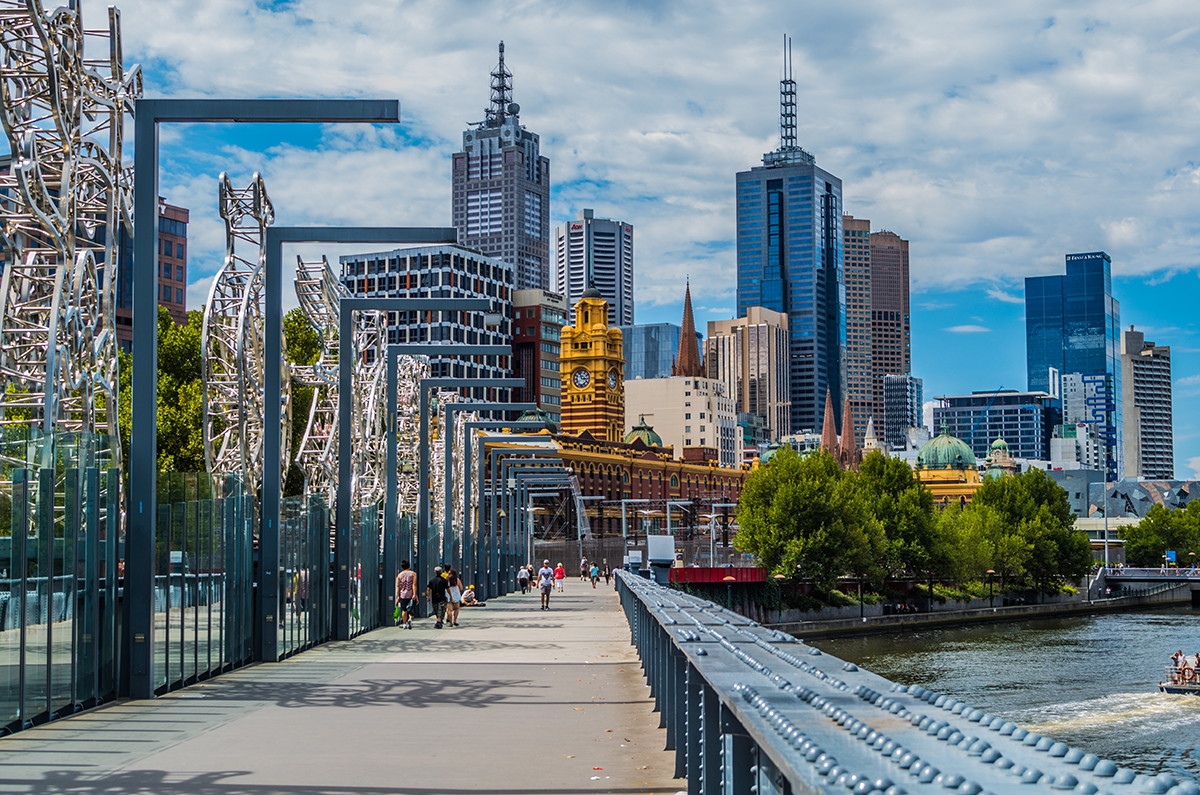
Making Reservations For In-Demand Activities In Australia
Especially during the peak season in the cities, things sell out. This is most true of New Year’s Eve fireworks in Sydney and the Australian Open in Melbourne. Tickets for both are extremely pricey for good seats.
However, even things like whale-watching expeditions, snorkeling the Great Barrier Reef, stargazing in the interior, or doing a tasting tour can sell out fast.
Once again, having a budget and a strategy will pay dividends. Find the high-demand, high-dollar activities that are your must-dos and lock those down. Then fill the remaining time with trail hikes, beach days, park visits, and museum tours, all connected by public transport.
Knowing What To Avoid In Australia
The big things to avoid in Australia are:
- The sun
- Dangerous aquatic creatures
- Snakes and other land-based perils
The Australian sun
It’s brutal. You don’t necessarily need to pack sunscreen, but as soon as you land, you’ll need to seek out a Woolworth’s or something similar to buy sunscreen. Buy mineral-based sunscreen with SPF of 50 or greater.
Get or pack a sun hat, too. You’ll need it.
Aquatic creatures
There are plenty of things in Australia’s water waiting to hurt you.
Most species of sharks are not on that list, but a few are, like the great white shark. Maybe you’ve heard of them.
Aussies will tell you to “swim between the flags.” That means staying within the red and yellow flags at lifeguard-monitored beaches.
Swimming between the flags means you’re largely protected from sharks, rip currents and other aquatic hazards.
Like jellyfish! Australia has several nasty types, including the box jellyfish and the irukandji. They’re usually found along the tropical coastlines of Queensland, the Northern Territory and Western Australia, and they pack a punch.
If you’re planning on doing a lot of swimming during “stinger season” (November-May) you’ll need a wetsuit.
Land-based perils
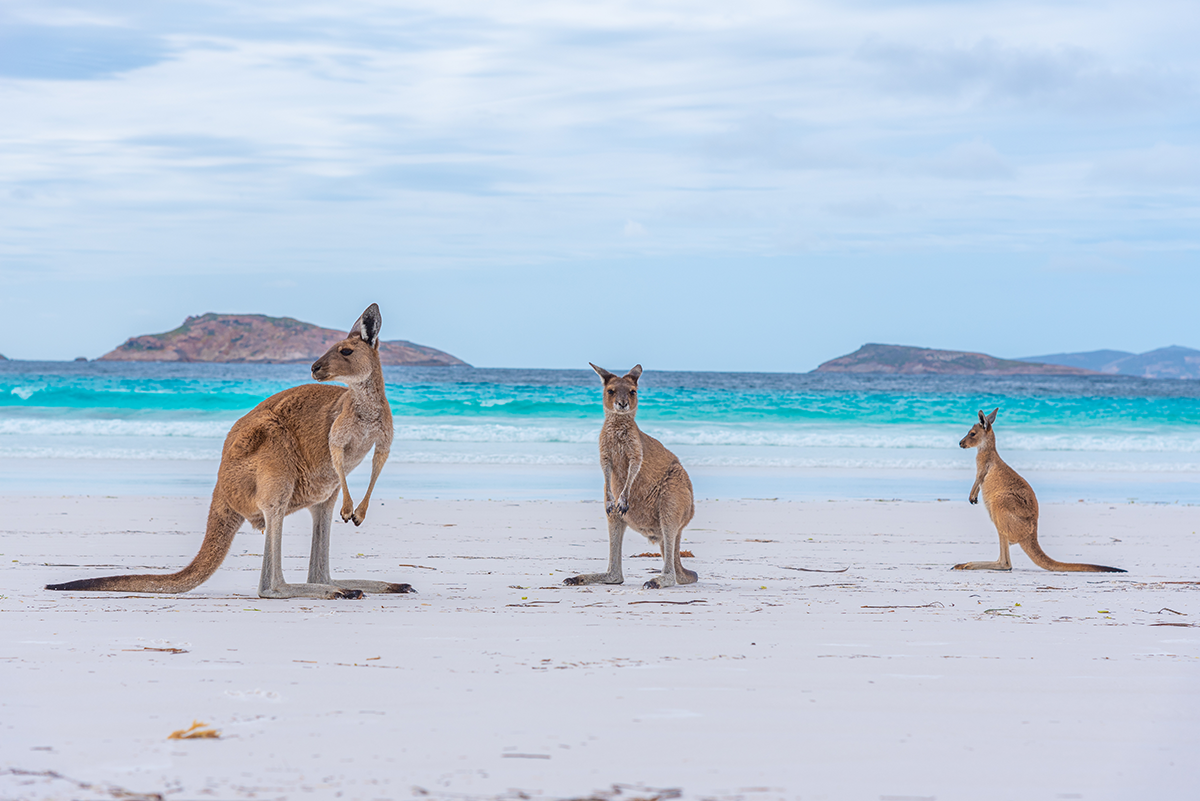
Australia is known for its unusual creatures, which don’t always live up to their reputations. Koalas can be grouchy, kangaroos have a mean streak, penguins are diffident, and platypi are anti-social.
Also, while Tasmanian devils are aggressive, they don’t move in a dust cloud, like a tornado. Sorry.
However, Australian snakes do live up to their reputations of being large and venomous. You won’t see them in the cities but you may encounter them if you spend time in the wild.
You’ll also see a fair number of poisonous spiders and stinging insects. If you’re heading out, take insect repellent.
Assembling A Packing List For Australia
In addition to the things we’ve mentioned – sunscreen, sun hat, insect repellent – the key to successful packing for Australia is packing layers.
Even in the warmest areas of the country nights can get cold. During the rainy season storms can pop up without warning.
That means packing:
- Rain gear
- A light sweater or sweatshirt
- Pants – ideally convertible between shorts and pants
- Lots of dry socks
- Sandals or water shoes and walking/hiking shoes
- Sunglasses
- Swim gear
Not sure where to start? Read our post on packing for cruises and pick-and-choose from the various lists.
Getting Your Docs In Order
You need an e-visa to visit Australia. Get info on that here.
Otherwise, your docs and shots for Australia are about the same as those for any other destination, with one exception: The Centers for Disease Control recommend a Japanese encephalitis vaccine for people traveling to the Murray River area.
In addition, make sure your passport is current, and won’t expire in the next six months.
Also, Australia, much like its neighbor New Zealand, is notoriously picky about what foodstuffs travelers can bring into the country. If you have food or drink from the plane, toss it before you go through Border Control.
Buying Travel Insurance For Australia
For a long, expensive trip like Australia, travel insurance is a must. Berkshire Hathaway Travel Protection has a plan specifically designed for your type of Australian vacation, whether it’s a cruise, adventure trip, or luxury bucket-list trip.
It’s easy to get a quote and get covered, and BHTP’s claim process is quick and straightforward. Check us out and see for yourself.

Questions About Travel Insurance?
Check out our online guide, "What Is Travel Insurance All About?" We've provided in-depth answers to all your travel insurance questions, starting with the basics.